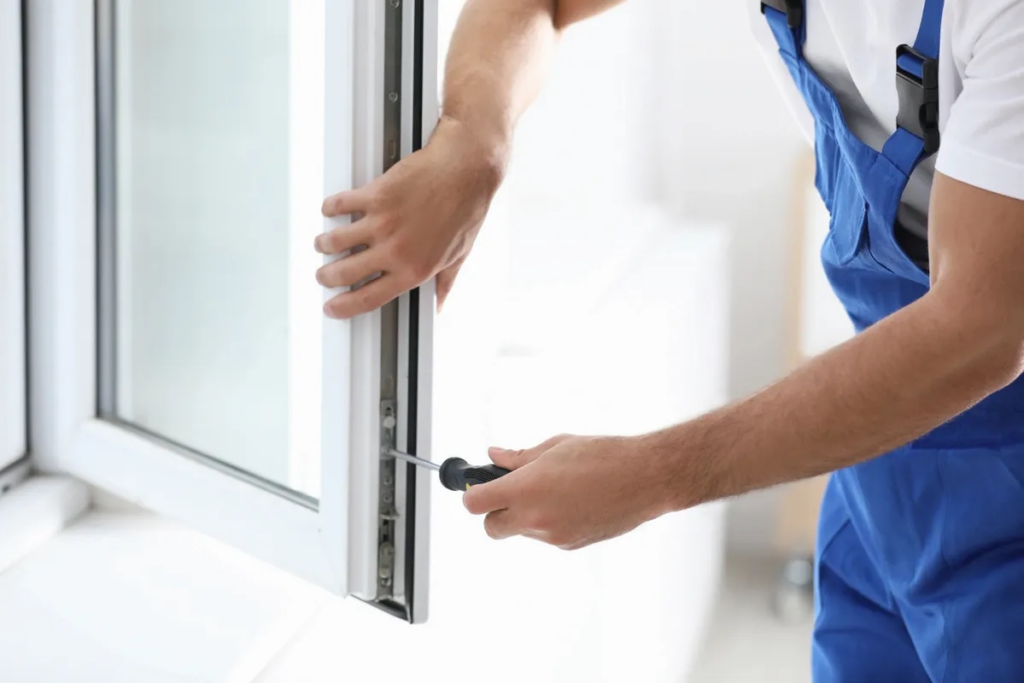
Residential Window Repair: A Comprehensive Guide for Homeowners
Windows are not just openings in a wall; they are vital components of a home's structure that supply natural light, ventilation, and defense from the aspects. With time, nevertheless, windows can establish concerns that need repair. Whether it's a broken pane, a stuck sash, or a drafty frame, comprehending the fundamentals of domestic window repair can save property owners time, money, and frustration. This article delves into the different aspects of window repair, from identifying common problems to carrying out DIY repairs and knowing when to call an expert.
Identifying Common Window Problems
Before diving into the repair procedure, it's important to determine the specific problems with your windows. Here are a few of the most common problems house owners deal with:
Cracked or Broken Glass
- This is among the most apparent and instant problems that require attention. Fractures can start little but can quickly spread out, leading to a total break and potential security dangers.
Dripping or Drafty Windows
- Drafts and leakages can considerably affect energy efficiency, causing higher heating & cooling expenses. Signs consist of cold air drafts, water spots, and condensation in between panes.
Stuck Sashes
- Sashes that won't open or close properly can be an annoyance and might show concerns with the window's hardware or the frame itself.
Rotted Wood Frames
- Wood window frames are vulnerable to rot, especially in damp climates. Rot can damage the structure and allow air and water to seep through.
Failed Seals
- Double-pane or triple-pane windows have a seal that, when broken, can cause fogging and condensation between the panes, reducing insulation effectiveness.
Harmed Hardware
- Broken or worn-out hardware, such as locks, deals with, and hinges, can compromise security and performance.
Distorted Frames
- Contorting can happen in both wood and vinyl frames, frequently due to temperature modifications and humidity. Distorted frames can avoid windows from closing appropriately.
Tools and Materials Needed for Basic Repairs
For many minor window repairs, homeowners can use standard tools and products. Here's a list of essentials:
- Safety Gear: Gloves, goggles, and a dust mask.
- Fundamental Tools: Screwdriver, hammer, chisel, energy knife, caulk gun, and drill.
- Materials: Caulk, silicone sealant, window glazing substance, replacement glass, and weatherstripping.
- Specialized Tools: Glass cutter, putty knife, and a glazing point tool.
Do It Yourself Window Repair Techniques
Changing a Cracked Pane
- Action 1: Ensure the area is safe by wearing protective equipment.
- Step 2: Remove the damaged glass thoroughly using a suction cup and a putty knife.
- Step 3: Clean the frame and remove any staying putty or sealant.
- Step 4: Apply a fresh layer of window glazing compound and insert the new glass.
- Step 5: Secure the glass with glazing points and allow the compound to dry before painting.
Sealing Drafts and Leaks
- Step 1: Clean the area around the window frame.
- Step 2: Remove any old caulk or sealant.
- Step 3: Apply a new layer of caulk or silicone sealant around the frame.
- Step 4: Smooth the sealant and allow it to dry totally.
Repairing a Stuck Sash
- Step 1: Identify the reason for the sticking, which could be paint, particles, or damaged hardware.
- Action 2: Use an energy knife to score any paint along the sash and frame.
- Action 3: Apply a lube to the tracks and hinges.
- Step 4: Test the sash and make modifications as required.
Changing Rotted Wood
- Action 1: Remove the rotten wood utilizing a sculpt and hammer.
- Action 2: Clean the location and apply a wood hardener.
- Step 3: Fill the spaces with wood filler and let it dry.
- Step 4: Sand the filled locations and repaint or stain the frame.
Replacing Weatherstripping
- Step 1: Remove the old weatherstripping.
- Action 2: Measure the window frame and cut the brand-new weatherstripping to size.
- Action 3: Apply the brand-new weatherstripping using adhesive or staples.
- Step 4: Test the window to guarantee a correct seal.
When to Call a Professional
While many window repairs can be dealt with by homeowners, some concerns require the knowledge of a professional. Here are some scenarios where it's best to seek expert help:
- Complex Structural Issues: If the frame is seriously harmed or deformed, an expert can evaluate and repair it more successfully.
- Double or Triple Pane Windows: Replacing the glass in multi-pane windows can be difficult and might need customized tools and competence.
- Security Concerns: If the window is large or located in a high or hard-to-reach area, it's more secure to let a professional handle the repair.
- Warranty Considerations: Some window producers void service warranties if repairs are not performed by licensed specialists.
Maintenance Tips to Extend Window Life
Preventive maintenance can extend the life of your windows and lower the requirement for regular repairs. Here are some suggestions:
- Regular Cleaning: Clean the windows and frames regularly to prevent the accumulation of dirt and particles.
- Lubricate Hardware: Apply lubricant to locks, hinges, and other moving parts to keep them working efficiently.
- Examine Seals: Check the seals around the windows for fractures or gaps and reseal as needed.
- Display for Damage: Keep an eye out for indications of damage, such as cracks, leakages, and rot, and address them without delay.
- Change for Seasonal Changes: Ensure that your windows are effectively changed for seasonal temperature level modifications to prevent warping.
FAQs About Residential Window Repair
Q: Can I repair a split window myself?A: Yes, for smaller sized cracks, you can use a DIY kit that includes a resin to fill the fracture. Nevertheless, for bigger fractures or complete breaks, it's best to replace the glass with the help of an expert.
Q: How do I understand if my window seal has stopped working?A: Look for indications of fogging or condensation in between the panes, which suggest a broken seal. You can likewise evaluate for drafts by holding a lighted candle light near the window and expecting the flame to flicker.
Q: Can I paint over window glazing compound?A: Yes, when the glazing substance has actually dried, you can paint over it to match the surrounding frame. Nevertheless, guarantee the compound is completely dry and apply a guide if essential.
Q: What is the best type of caulk for sealing windows?A: Silicone caulk is typically the finest option for sealing windows due to its sturdiness and versatility. It can withstand temperature changes and resist breaking and peeling.
Q: How do I fix a drafty window?A: Start by cleaning up the area and eliminating old caulk or sealant. Use a new layer of caulk or weatherstripping to produce a tight seal. If the problem continues, think about replacing the window.
Q: Can I use duct tape as a temporary repair for a drafty window?A: Duct tape can be utilized as a temporary repair, but it's not a long-term option. It can trap moisture and cause damage to the window frame with time. For a more trusted temporary repair, use a weatherstripping tape.
Q: How often should I examine my windows?A: It's an excellent concept to examine your windows a minimum of when a year, preferably before the start of the heating season. Try to find window screen replacement of damage, drafts, or leakages.
Q: What causes window frames to rot?A: Rot is usually caused by wetness, which can get in the frame through fractures or poor sealing. Routine maintenance and appropriate sealing can help avoid rot.
Residential window repair is a crucial aspect of home upkeep that can boost energy efficiency, enhance safety, and maintain the aesthetic appeal of your home. By understanding common window problems and mastering fundamental repair techniques, property owners can manage numerous issues themselves. However, for more complex or safety-sensitive repairs, it's always best to consult a professional. Routine upkeep and prompt repairs can extend the life of your windows and guarantee they continue to function successfully for years to come.